
SEO title: Outdoor Furniture Lifecycle Cost vs Initial Price in India
Meta description: Understand the true cost of commercial outdoor furniture, including materials, maintenance, repairs and replacement, to make better long-term procurement decisions.
Suggested PR slug: outdoor-furniture-lifecycle-cost-vs-initial-price
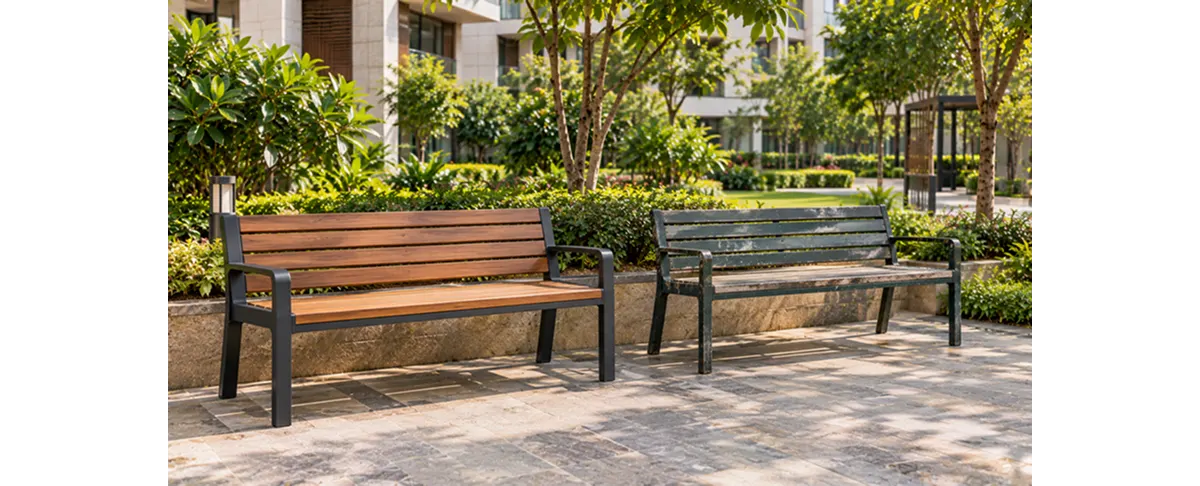
Choosing outdoor furniture solely based on the lowest purchase price often results in higher long-term expenses for residential townships, hotels, resorts, and commercial developments. Cheaper options may initially seem budget-friendly but typically lack the durability to withstand constant use and exposure to the elements. This leads to frequent maintenance, repairs, and replacements, all of which can quickly surpass the upfront savings. Prioritizing quality over price ensures commercial outdoor furniture that lasts longer, requires less upkeep, and minimizes disruptions, making it a more cost-effective and reliable investment in the long run.
What Is the True Lifecycle Cost of Outdoor Furniture?
The lifecycle cost, or total cost of ownership, is the cumulative expense of purchasing, installing, maintaining, repairing, and eventually replacing outdoor furniture over its usable life. This formula captures the concept:
Lifecycle Cost = Purchase Cost + Installation Cost + Maintenance Cost + Repair Cost + Replacement Cost
For example, consider two outdoor benches. Bench A costs $500 upfront but requires $150 in repairs annually and needs replacing after three years. Bench B costs $1,000 and lasts ten years with minimal maintenance. Over a decade, Bench A incurs a total lifecycle cost of $1,950, while Bench B’s total cost is only $1,000. These numbers are illustrative but emphasize why cheaper options can be more expensive in the long run. Understanding outdoor furniture lifecycle cost ensures smarter investments that balance durability, reliability, and long-term value.
How Material Selection Affects Long-Term Furniture Costs
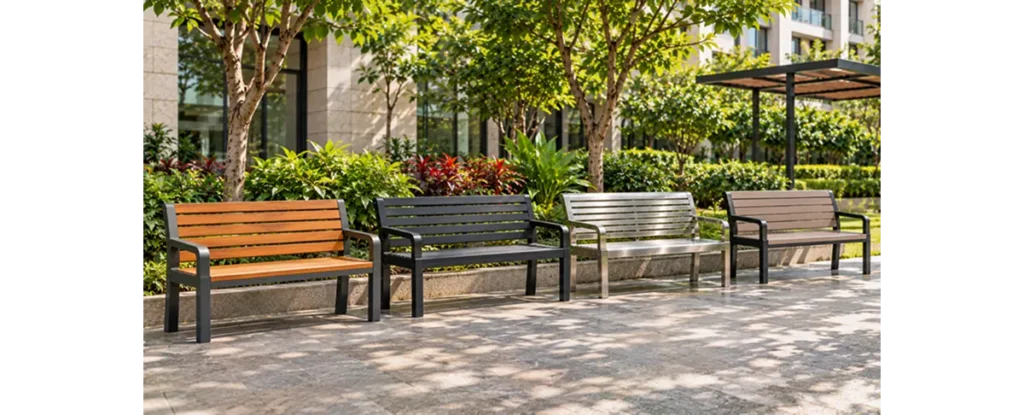
Selecting the best material for outdoor furniture directly impacts its long-term value, especially in India’s varied climate. Aluminium provides excellent corrosion resistance and requires little maintenance if properly finished, making it ideal for humid or coastal areas. Powder-coated steel offers strong structural support and a lower upfront cost, but maintaining the coating is key to preventing rust. While stainless steel delivers superior corrosion resistance, its longevity depends on the grade used and exposure conditions; higher grades may justify their higher cost for coastal or high-moisture environments.
Wood-plastic composites (WPC) require minimal routine care in suitable settings and offer reliable durability, though the quality of WPC and its structural support should be evaluated before purchase. Treated hardwood provides a natural, aesthetic look but demands regular cleaning and maintenance to withstand intense sun and rain, which can increase lifecycle upkeep costs.
The best material for outdoor furniture depends on factors like installation location, climate exposure, usage intensity, and willingness to maintain. While aluminium and WPC often excel in balancing durability with ease of maintenance, detailed comparisons like aluminium vs steel or WPC vs wood reveal specific trade-offs. Evaluate these factors to make a smart, long-term investment.
Maintenance, Repairs, and Replacement Costs
Outdoor furniture maintenance costs can escalate due to several factors. Regular cleaning is essential to prevent grime build-up, but neglect can accelerate wear, particularly in India’s varied climate. Corrosion inspections and coating repairs are crucial for metal furniture to counter rust, while untreated timber demands frequent protective treatments to withstand weather exposure. Fastener replacements are another common expense, especially when exposed to moisture. Additionally, component availability can significantly impact costs—furniture with hard-to-replace parts can force early replacement rather than repairs. Poor drainage design or the use of unsuitable materials, like non-weather-resistant fabrics, often leads to quicker deterioration. Difficulty accessing replacement parts or performing repairs can further inflate expenses. Planning maintenance during procurement ensures better choices in selecting durable, low-upkeep materials, leading to longer-lasting outdoor furniture and minimized long-term costs.
How Developers Should Compare Outdoor Furniture Quotations
When evaluating bulk outdoor furniture procurement, developers must focus on technical specifications rather than solely comparing purchase prices. Differences in material grades, such as aluminum versus steel or weather-resistant fabrics versus standard ones, directly impact durability and maintenance. Structural design plays a critical role in withstanding heavy commercial usage, while protective finishes like anti-corrosion coatings extend product life. Warranty terms should be scrutinized to ensure they cover flaws in both material and workmanship. Beyond the upfront costs, consider delivery and installation fees, as well as the ease of accessing replacement components. Maintenance and repair requirements often vary between suppliers, influencing long-term expenses. To ensure an accurate outdoor furniture cost comparison, developers should project lifecycle costs over a consistent evaluation period, such as 10 years. This approach allows commercial outdoor furniture pricing to be assessed holistically and avoids underestimating the total cost of ownership.
Urbanland Products — Material Selection and Commercial Manufacturing
Based in Vasai, Maharashtra, Urbanland Products is a renowned outdoor and street furniture manufacturer in India, catering to commercial projects with a diverse product range. Specializing in solutions for parks, streets, and public spaces, their offerings include benches, tables, and other durable outdoor furnishings designed to suit various environments. Material selection plays a vital role in ensuring project-specific durability and ease of maintenance. Urbanland emphasizes this through comprehensive technical content, such as their detailed comparison of aluminium versus steel outdoor benches. These resources provide insights into factors like rust resistance, weight, and maintenance requirements, helping developers make informed choices. While lifecycle costs depend on multiple factors, the focus on materials ensures Urbanland’s products address durability challenges effectively in commercial applications.
Frequently Asked Questions
Is cheaper outdoor furniture more expensive in the long run?
Cheaper outdoor furniture often incurs higher long-term costs due to frequent maintenance, unexpected repairs, and early replacement. While the initial savings might seem appealing, poorly made pieces can deteriorate faster under environmental stress, increasing expenses over time.
Which outdoor furniture material has the lowest maintenance cost?
For minimal maintenance, aluminum is highly rust-resistant and lightweight, making it ideal in humid regions. Protected steel provides durability in dry areas but may require occasional upkeep. Stainless steel resists corrosion and suits harsher conditions, while WPC excels in low-maintenance aesthetics for shaded spaces.
How can developers reduce outdoor furniture lifecycle costs?
Lifecycle costs drop with durable material choices, precision manufacturing, and routine maintenance. Opting for products with modular or replaceable parts ensures no full replacement is needed for minor damage, enhancing long-term value.
Conclusion
Long-term outdoor furniture value hinges on durability, maintenance, installation, and replacement costs. Developers should prioritize lifecycle value to make smart, sustainable investments over initial price savings.